
Transitioning from Gym Climbing to Sport Climbing
Posted by Sophie on 2026 May 26th
Are you an indoor climber that's ready to take on the outdoors but need somewhere to start? New Brunswick offers many beautiful sport climbing routes and a wide range of grades for all climbing levels. There are some VERY important things to consider before jumping in!
Disclaimer- This is research AND opinions based. It is not a be all end all of outdoor climbing. There are many ways to climb safely outdoors and it is important to find a way that works well for you.
As exciting as it can be to get outdoor climbing, it is very important to take your time to make this transition in a safe way. In sport climbing: SAFETY ALWAYS COMES FIRST and it is imperative to keep that in mind as you begin to explore. There are steps to take before you climb, as you begin to climb and as you start to purchase your own gear.
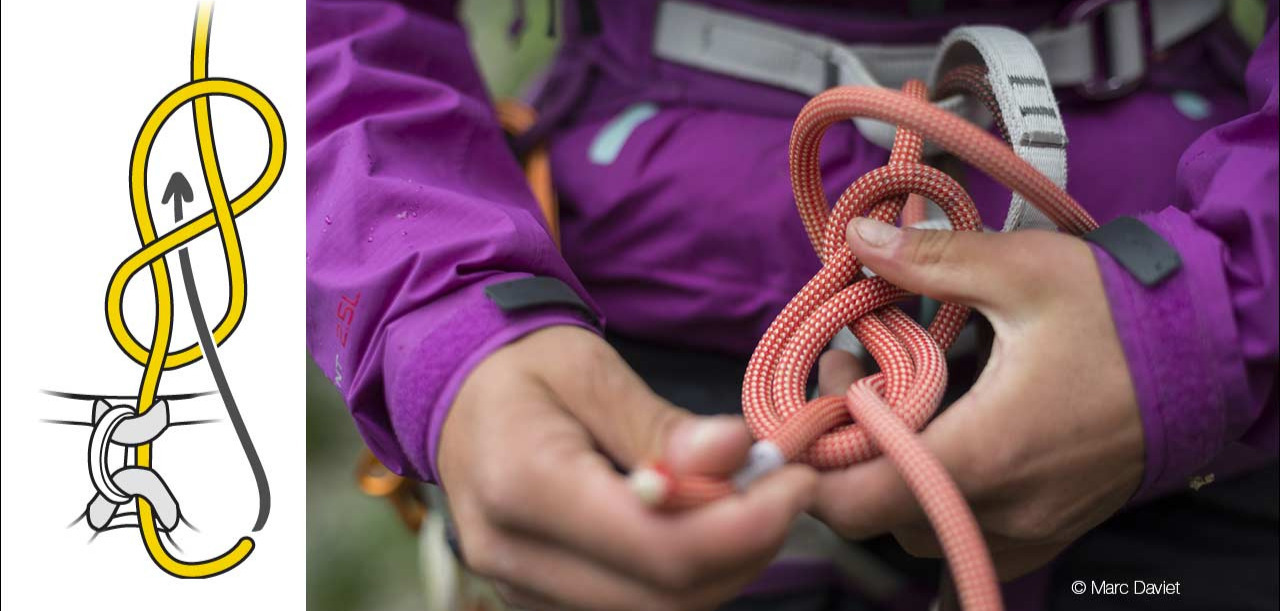
Photo Credits: PETZL/ Marc Daviet
BEFORE YOU CLIMB
A good way to start is by getting some research in on your own time. Climbing equipment brands will provide guides on choosing the right gear, setting up anchors, belaying with different systems, and even knot tying how-to's. I've found Petzl to be an incredible resource for sport climbing information.
Practicing your knot tying skills ahead of time is a great place to start. The most important knots for you to become acquainted with will be:
- Clove Hitch (for going direct into an anchor)
- Figure 8 follow through (for tying into your harness)
- Barrel Knot (tied at the end of your rope to keep the end from slipping through the belay device).
But, of course, there are many others that are handy to know as you move forward.
 Photo Credits: Emma Slaunwhite
GETTING OUT THERE
Take a Course
By far the best way to start your outdoor climbing career will be to take a course led by an experienced climber. In New Brunswick, Ascent NB will be the best resource for this. They are a non-profit, volunteer run organization that aims to acquire climbing area access, as well as maintain the upkeep of the bolted routes and climbing areas in the province. An Ascent NB Membership gives you access to certain climbing areas that have been negotiated as well as access to knowledge sharing workshops.
Climb with Experienced Climbers First
Once you start to get out climbing, even with the course under your belt, it'll be helpful to climb with experienced members of the community. I love how helpful and inclusive everyone is, in the New Brunswick climbing scene. If you know some people in your local gym that sport climb: see if you can tag along! It is a great way to practice, and have someone there to double check your work or lead routes for you to top rope until you are 100% confident.
Stretches and Warm-ups
Don't skip your stretches and warm-ups either! Just like in the gym, getting your body ready for activity is still very important. Get some active stretches in before you start climbing, and warm up on an easier route to get that blood pumping!
Start off Easy
Although you may climb higher grades at the gym and want to jump head on into some difficult outdoor routes, starting off with easier routes will allow you to practice good habits and build up confidence for later projects. It will help you feel a lot more prepared for those tougher routes down the road.
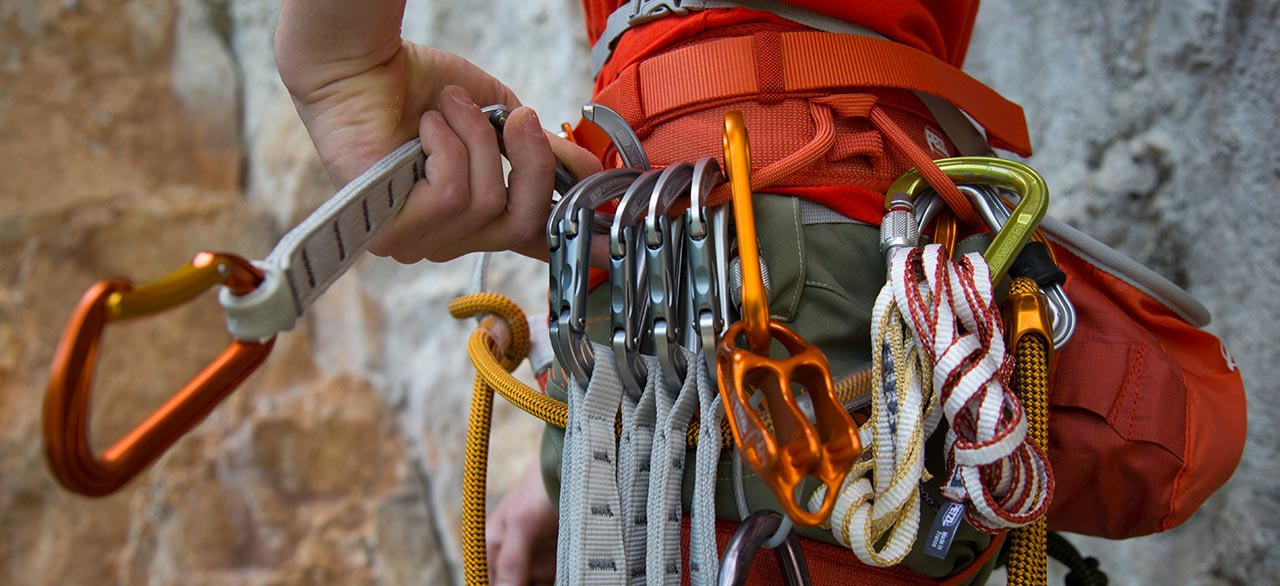
Photo Credits: PETZL/ Lafouche
GEAR
Your basic outdoor sport climbing kit will likely consist of:
- A bag
- A rope
- Quick draws (for leading)
- Some locking carabiners
- Some non-locking carabiners
- A belay system
- Runners
- A helmet
- A harness
- Climbing shoes
- A chalk bag
There are various things you should consider bringing in addition to those basics:
- A stick clip (This is particularly recommended for Hampton Marsh, as some of the first bolts may be outside your comfort level.)
- A climbing guidebook
- Sunglasses
- Sunscreen (or wear UPF fabrics)
- Belay gloves
- A first aid kit
- Hydration and nutrition to fuel your body properly!
- Another personal favourite of mine is belay glasses which allow you to keep an eye on your climber without straining your neck.
Climbing Shoes
When it comes to climbing shoes, you may want to invest in a seperate pair than what you would normally wear at the gym as real rock is much different than what you've become used to. There are different things to consider with picking a good outdoor shoe. In my opinion,the rubber and stiffness, as well as the profile, is most important. Personally, I prefer a hard, stiff rubber outdoors as it allows for precise edging and prevents foot fatigue for longer routes. However, they provide less foot feel on the wall and do not perform as well on slab. Soft rubber shoes can be a good choice to have more foot feel and give you good smearing ability on slippery slabs, but can tire your feet out and get chewed up a bit faster. There are some shoes that are a good mix of the two as well, but it will be dependant on what you are climbing and your personal preference. You can also decide between a more neutral or aggressive profile. For more relaxed, longer climbs, I opt for a neutral profile. An aggressive profile can give you good foot control on more technical or overhung routes.
Transitioning to outdoor climbing can feel very overwhelming, so taking your time to learn strategies and safety procedures will be hugely beneficial. Although it might feel like a lot of redundancy, there is safety in that redundancy that will allow you to enjoy the sport to its fullest! Make sure you are staying cautious, observant, and respectful of the environment you're occupying and other climbers around you!
Happy Climbing!